
Piezoelectric dental surgery: benefits and applications
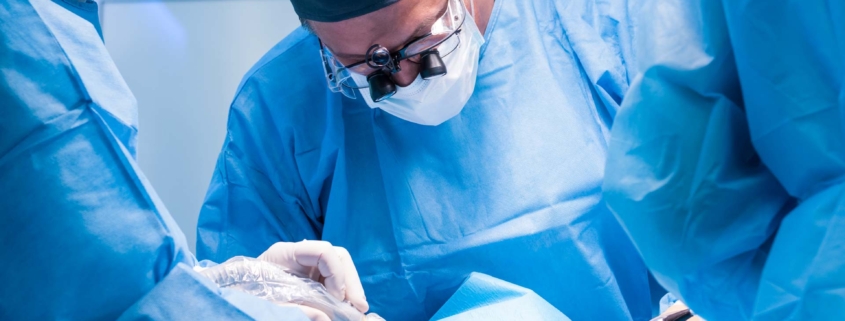
FAQ – Piezoelectric surgery
Q. How does this surgical technique work?
A. It uses ultrasonic vibrations that act selectively on bone tissue, allowing for precise cuts while reducing trauma to the surrounding soft tissues.
Q. When is this type of surgery used?
A. It is used when work on the bone is required in delicate areas, such as in complex extractions, sinus lift procedures, periodontal surgery, or implant site preparation.
Q. Is piezoelectric surgery painful?
A. No, it is generally less traumatic than traditional techniques, and the post-operative period is often more comfortable.
Piezoelectric surgery is used in various medical disciplines that require bone surgery and represents one of the greatest innovations in contemporary dentistry. Today, it is considered a benchmark for those seeking safe, minimally invasive procedures characterized by extremely high precision.
This technique is increasingly adopted by technologically advanced dental practices like ours. At our Milan clinic, this technology finds daily application in numerous complex procedures. Below, we explain what it involves and in which cases it is recommended.
INDEX
- What is piezoelectric surgery?
- The evolution of piezoelectric surgery from its origins to today
- What is piezoelectric surgery in dentistry?
- The procedure, step by step
- Benefits for the patient
1. What is piezoelectric surgery? ↑
It is a surgical technique based on the use of calibrated and selective ultrasonic vibrations, capable of acting exclusively on hard tissues such as bone. In this way, the surrounding soft tissues are selectively preserved, significantly reducing the risk of damage. This allows the specialist to operate even in particularly delicate anatomical areas, minimizing risks and complications.
What does piezoelectric mean?
The term “piezoelectric” refers to the ability of certain crystals to generate vibrations when an electric current passes through them. These vibrations, when properly controlled, produce extremely precise micromovements.
2. The evolution of piezoelectric surgery from its origins to today ↑
The origins of this type of surgery date back to the 1980s, when in dentistry ultrasound was mainly used for professional oral hygiene procedures. Only with the introduction of new equipment in the 1990s and 2000s did the potential of ultrasound as a cutting and bone-remodeling tool begin to be explored. Unlike rotary burs or oscillating saws, piezoelectric systems generate less heat, especially when used with adequate irrigation. They also require minimal and controlled pressure. This significantly reduces the risk of post-operative bone necrosis. Today’s technologies, far more advanced than the early versions, allow precise modulation of vibration frequency and output power. The device adapts to the different bone densities of the patient. The operating tips, now available in numerous shapes and grits, make it possible to perform extremely precise linear cuts, reshaping, delicate incisions, and perforations for implant sites.
Latest-generation instruments
The evolution of piezoelectric surgery has led to a dramatic improvement in intraoperative safety in dental practice. The new generations of devices include:
- enhanced irrigation systems that keep the operated area constantly cool;
- sensors that automatically modulate power according to the tissue;
- latest-generation diamond inserts for even cleaner cuts;
- ergonomic handpieces to improve the surgeon’s control.
These advances have helped make this technique extremely reliable for procedures in high-risk areas.
3. What is piezoelectric surgery in dentistry? ↑
Over the years, piezoelectric dental surgery has established itself as an excellent solution for treatments such as:
- complex extractions,
- periodontal procedures,
- implant site preparation,
- sinus lift surgery.
This technology ensures both high technical precision and a generally very comfortable experience for the patient. Patients benefit from significantly reduced surgical trauma and faster recovery.
4. The procedure, step by step ↑
The operative process can be divided into several phases:
- preliminary case analysis. Through digital X-rays, 3D CT scans, or intraoral scanners, the dentist studies the bone morphology and precisely identifies the area of intervention;
- selection of the appropriate piezoelectric insert. There are dozens available, each designed for different functions such as linear cutting, finishing, deep osteotomies, perforations for implants, and delicate reshaping;
- setting power and frequency. Latest-generation devices automatically adjust intensity according to tissue resistance, preventing overheating at all times;
- execution of the cut. Ultrasonic vibrations generate micromovements that selectively fragment bone tissue while preserving soft tissues such as nerves and blood vessels;
- cooling with continuous irrigation. A constant flow of water keeps the area visible, clean, and at a stable temperature, promoting optimal healing.
Thanks to this mechanism, piezoelectric dental surgery allows for more controlled and less traumatic procedures, with major benefits for both the surgeon and the patient.
What is a piezoelectric scalpel?
It is the ultrasonic handpiece used by the surgeon. It is based on piezoceramic crystals that, when electrically stimulated, vibrate between 24 and 29 kHz. This high frequency makes it possible to effectively cut bone without damaging soft tissues. The surgeon can therefore work with a high level of safety, even near nerves, membranes, and mucosa, which are largely preserved thanks to the selectivity of the vibrations.
5. Benefits for the patient ↑
Choosing piezoelectric surgery means opting for a more modern, efficient, and comfortable clinical procedure. One of the most significant advantages is the marked reduction in surgical trauma. This generally promotes faster and less painful healing. Patients experience superior post-operative comfort compared to traditional techniques based on rotary burs. The main benefits can be summarized as follows:
- reduced post-operative pain,
- limited swelling,
- less bleeding,
- greater surgical precision,
- lower risk of complications,
- faster and more predictable recovery.
The professionals at our Dental Clinic in Milan perform this type of procedure with advanced expertise in oral surgery and implantology. We are able to offer a positive experience to every patient, even those who suffer from anxiety or fear toward surgical procedures.