
The goals of orthodontic treatments within a multidisciplinary, science-based approach
OOrthodontics refers to the set of treatments recommended and performed by the dentist to correct issues related to dental malocclusion.
This specialized field, aimed at both adults and children, focuses on restoring proper dental alignment.
It must therefore take into account all the factors that contribute to this balance, such as the harmonious development of the dental arches and jawbones, and their correct function.
A multidisciplinary approach to orthodontic disorders involves, when necessary and depending on the complexity of each case, the collaboration of various dental professionals:
|
|
The goals of orthodontics
The orthodontic treatments offered by the Motta Jones, Rossi & Associates dental clinic pursue different goals based on each patient’s needs:
- promoting the health of teeth and gums,
- restoring and improving proper chewing function,
- enhancing dental aesthetics.
In line with the scientific and multidisciplinary approach embraced by our clinic, we place great importance on understanding the patient’s individual needs. This allows us to identify the most effective and appropriate orthodontic treatment for each specific dental issue. We firmly believe that orthodontic therapy is not merely the application of dental braces.
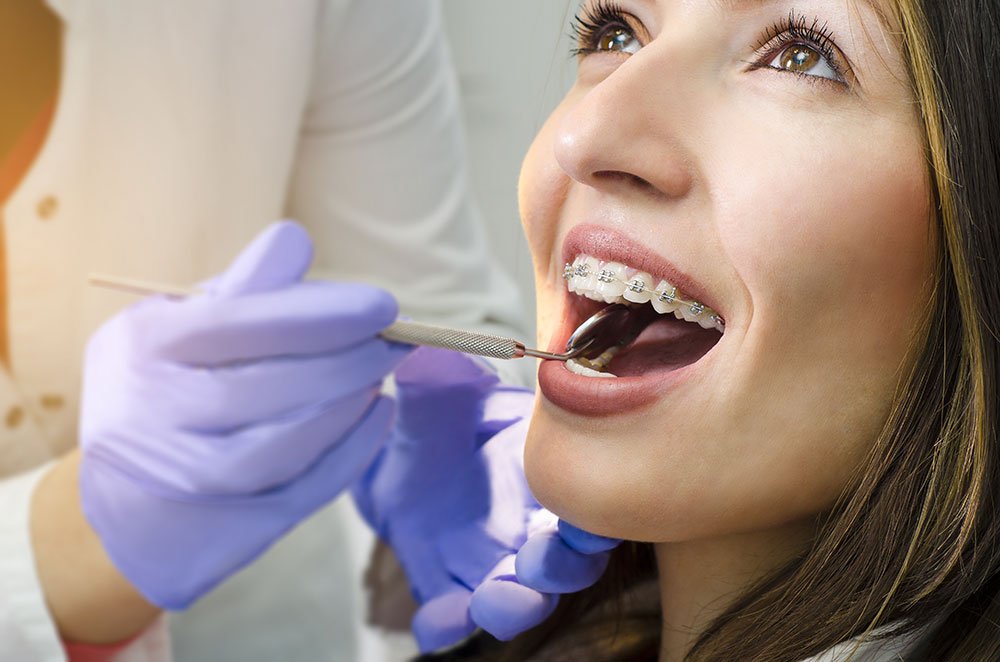
Types of orthodontic treatments
During a person’s biological development and the growth phases of the dental arches and jawbones, we offer various types of orthodontic treatments at our clinic. These include orthopedic corrections for a narrow palate, class II malocclusions (in cases of a retruded lower jaw), and class III malocclusions (commonly known as underbite).
The orthodontic therapy provided at our dental practice can be carried out in a single phase or planned over multiple phases. The treatment path may vary depending on the complexity of the dental issue and the patient’s age.
When is orthodontic treatment needed?
At our dental clinic, we follow a clinical guideline known as the IOTN (Index of Orthodontic Treatment Need). This internationally recognized system helps determine the necessity of orthodontic treatment based on the presence of specific dental misalignments and conditions. The IOTN outlines 5 levels of severity:
- no need for orthodontic treatment, in cases of mild malocclusions and dental misalignments with contact point displacement less than 1 mm;
- little need for orthodontic treatment, when misalignments cause a displacement between 1 and 2 mm;
- borderline cases, with displacements between 2 and 4 mm;
- treatment required, in cases of severe malocclusions and misalignments with displacement over 4 mm;
- treatment required, when tooth eruption is hindered due to serious displacement, crowding, or dental agenesis.
Orthodontics for children
Orthodontic treatments in children focus on the prevention and correction of jaw-related abnormalities.
The goal is to guide the proper growth of the jawbones while they are still flexible, using either fixed or removable orthodontic appliances.
There are several types of skeletal issues that can be treated with orthodontic devices:
- underdevelopment of the mandibular or maxillary bones;
- overdevelopment of the mandibular or maxillary bones;
- retrusion of the mandible or maxilla;
- protrusion of the mandible or maxilla;
- malalignment of the teeth—jaw misalignments related to the bite that prevent the two dental arches from coming together properly.
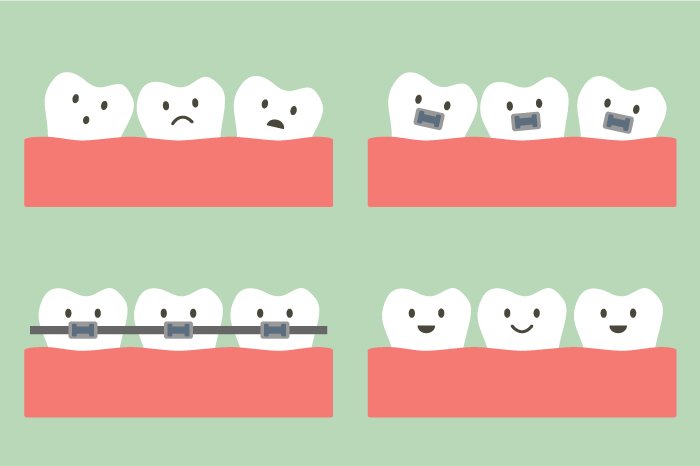
In most cases, the use of braces is recommended around the ages of 10 to 12.
Types of orthodontic appliances
Depending on the patient’s characteristics and age, the most suitable orthodontic appliance is selected from:
- removable orthodontic appliance. This is recommended for children between 5 and 9 years of age, when it is possible to influence the development of the bones in the presence of imbalances. This type of orthodontic treatment is known as interceptive, orthopedic, or functional orthodontics. Its purpose is to improve the size and shape of the mouth, widen the palate, advance the lower jaw, or restrict its growth. The removable appliance can be applied directly to the teeth or used with an extraoral traction device;
- fixed appliance. Used to correct tooth alignment in children aged 10 to 12, when all permanent teeth have erupted. One of the main advantages of fixed braces is their effectiveness regardless of the child’s level of cooperation. A downside, however, is the increased difficulty in maintaining proper oral hygiene.
Adult orthodontics with modern orthodontic appliances
When it comes to orthodontics for adults, the goal is to definitively correct malocclusions and functional disorders. Until recently, orthodontics was primarily associated with children and adolescents, due to the invasive and highly visible nature of traditional braces. Today, thanks to the use of less noticeable and minimally invasive appliances (such as Invisalign or clear aligners), adult patients can also restore balance and harmony to their smile.
Orthodontic treatment may also be necessary in adulthood for other reasons—for example, tooth loss due to extractions and resorption of the supporting bone (as in cases of periodontal disease or periodontitis). This often leads to shifting of the teeth and displacement of the dental arches.
Orthodontics and clear aligners
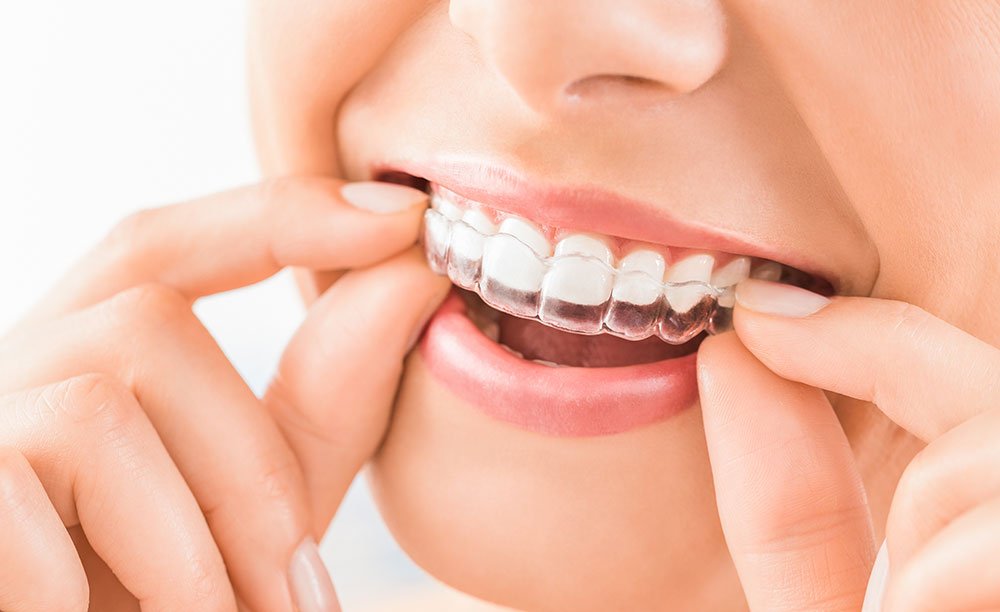
To correct tooth alignment issues, clear aligners are a valid alternative to traditional fixed braces. The dentists at our dental practice recommend and use them. Unlike other orthodontic devices, which have a strong visual impact, clear aligners are known for their non-invasive, aesthetically pleasing nature.
Invisible braces maintain the technical features required of a dental alignment tool. They are made from transparent resin, making them particularly thin and flexible. They are worn day and night for approximately two weeks, after which they are replaced. Additionally, clear aligners are easily removable, so they can be taken out for drinking, eating, and brushing your teeth.
Recent Posts
 Severe gingival recession: causes, symptoms and treatment5 October 2026 - 15:49
 Cosmetic Dentistry and the evolution of aesthetics in international dentistry30 September 2026 - 16:58
 Gum infection: what should you do?11 September 2026 - 16:23
 Dental sealants for adults: when to get them and how long they last12 August 2026 - 18:47