
Gum infection: what should you do?
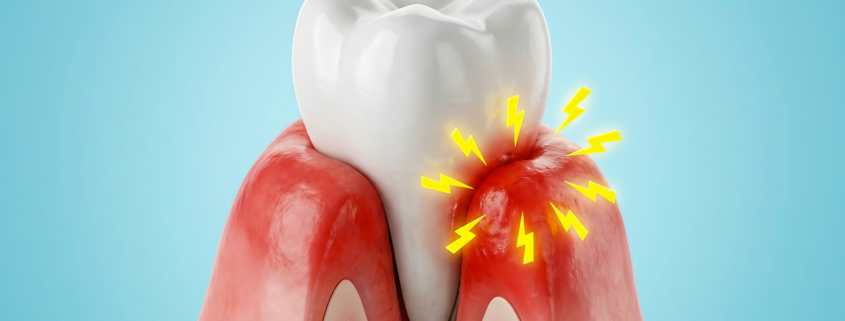
A gum infection is a very common condition that can affect people of any age. The first signs are often underestimated because mild bleeding or discomfort while brushing may seem relatively minor. In fact, if left untreated, a gum infection can worsen over time, affect the tissues that support the teeth and increase the risk of complications such as periodontitis or tooth loss.
Prompt treatment can, in most cases, resolve the problem with minimally invasive procedures and help preserve oral health. In this article, we will look at the most common causes of gum infections, the main symptoms, how they are diagnosed and the most effective treatments.
CONTENTS
- What is a gum infection and what causes it?
- Gum infection: symptoms that should not be overlooked
- Gum infection: what to do and how your dentist can help
- Personalised treatment plans
- FAQ
1. What is a gum infection and what causes it? ⇧
A gum infection occurs when bacteria proliferate in the gingival tissues, triggering an inflammatory response. In most cases, the process begins with the accumulation of bacterial plaque and tartar along the gumline. If these deposits are not removed through proper oral hygiene and regular professional cleaning, bacteria can penetrate beneath the gumline and promote inflammation. The main causes of gum infections include:
- poor oral hygiene;
- plaque and tartar build-up;
- poorly controlled diabetes;
- cigarette smoking;
- hormonal changes, such as those occurring during pregnancy and menopause;
- a weakened immune system;
- poorly fitting restorations or dental prostheses;
- individual susceptibility to periodontal disease.
In its early stages, the condition generally presents as gingivitis, a reversible form of inflammation. However, if it spreads to the deeper tissues that support the teeth, it can progress to periodontitis, a more complex condition requiring specific treatment.
2. Gum infection: symptoms that should not be overlooked ⇧
Recognising symptoms early makes it possible to intervene before the problem becomes more serious. Although their severity may vary from person to person, there are several typical signs that warrant attention. The most common include:
- red gums;
- swollen gums;
- bleeding while brushing or using dental floss;
- localised pain;
- tenderness to pressure;
- persistent bad breath;
- an unpleasant taste in the mouth;
- pus between the gum and tooth;
- tooth mobility in more advanced cases.
This condition can also lead to the formation of a gum abscess, characterised by severe pain, swelling and discharge of pus. In some cases, fever, general malaise and swollen lymph nodes may also occur.
Bacterial infection or irritation: how to tell the difference
It is important to distinguish a bacterial infection from simple irritation caused, for example, by overly vigorous brushing or minor trauma. If bleeding recurs, pain increases or swelling does not resolve spontaneously within a few days, it is advisable to consult a dentist for a thorough assessment.
3. Gum infection: what to do and how your dentist can help ⇧
When the problem occurs, the first step is to avoid DIY remedies that could delay diagnosis. Many people try to relieve discomfort with mouthwashes or over-the-counter products, but these may provide only temporary relief without addressing the underlying cause of the infection. If you are unsure what to do, you should schedule a dental appointment. During the consultation, the dentist takes a medical history, assesses the symptoms reported by the patient and performs a thorough clinical examination of the mouth. The examination may include:
- inspection of the gums;
- assessment of plaque and tartar deposits;
- measurement of periodontal pockets using a periodontal probe;
- assessment of tooth mobility;
- checking for any accumulation of pus;
- intraoral or panoramic X-rays when necessary to assess the level of supporting bone.
These examinations help determine whether the condition affects only the superficial tissues or has already involved the periodontium. An accurate diagnosis makes it possible to establish a personalised treatment plan and provide targeted care, reducing the risk of future complications.
How is a gum infection treated?
Treatment depends on the severity of the clinical condition. In the early stages, removing plaque and tartar through professional dental cleaning is often sufficient. This is accompanied by appropriate instructions on how to maintain good oral hygiene at home. In more advanced cases, the following may be necessary:
- scaling and root planing;
- treatment of periodontal pockets;
- drainage of any abscesses;
- antibiotic therapy when prescribed by the dentist;
- periodontal surgery in more complex cases.
It is important to emphasise that antibiotics are not automatically the solution for every infection. They are prescribed only when there is a genuine clinical indication, as mechanical control of bacteria through the removal of plaque and tartar deposits is often the key component of treatment. After treatment, it is essential to maintain meticulous oral hygiene at home, use the cleaning aids recommended by the dental professional and attend regular check-ups. These measures significantly reduce the risk of recurrence and help maintain healthy gums over time.
4. Personalised treatment plans ⇧
It is important not to ignore the early warning signs and to schedule a dental appointment as soon as suspicious symptoms appear. At our dental practice in Milan, each patient receives a personalised treatment plan combining accurate diagnosis, modern technologies and up-to-date treatment protocols. We place particular emphasis on prevention and the long-term maintenance of periodontal health.
5. FAQ ⇧
Q. How can I tell if I have a gum infection?
A. The most common signs include red, swollen or bleeding gums, localised pain, persistent bad breath, discharge of pus and, in more advanced cases, tooth mobility. However, only a dental examination can confirm the presence of an infection and assess its extent.
Q. What causes a gum infection?
A. Gum infections are mainly caused by the build-up of bacterial plaque and tartar. Certain factors, such as smoking, diabetes, pregnancy, a weakened immune system and poor oral hygiene, increase the risk of bacteria causing gum inflammation.
Q. How can a gum infection be treated?
A. To treat a gum infection effectively, it is necessary to identify and address the underlying cause. Treatment may include professional dental cleaning, scaling and root planing, drainage of an abscess when necessary and, only when prescribed by the dentist, antibiotic therapy.
Q. What can I use for inflamed gums during pregnancy?
A. Self-medication should be avoided during pregnancy. A dentist can recommend specific products that are suitable for use during pregnancy, such as mouthwashes or gels containing appropriate active ingredients, as well as advise on correct oral hygiene techniques. If pain, swelling or bleeding persists, a dental examination is recommended to help protect the expectant mother’s oral health and well-being.