
We will be happy to answer to all your questions
OUR COMMITMENT TO DENTAL HYGIENE CARE
Our dental practice specializes in orthodontics for adults and children, as well as dental hygiene. We use various dental therapies to address teeth problems and employ the best dental hygiene techniques to achieve optimal results in both aesthetics and health. We firmly believe that the beauty of a smile also relies on prevention, making oral hygiene the crucial first step.
Several factors can affect the appearance and health of teeth, including plaque, tartar, and stains from smoking or coffee. Our team of dental hygienists in Milan provides biannual or annual check-ups for patients’ entire dental arches. Using advanced dental hygiene techniques, they aim for optimal outcomes and overall dental health by meticulously examining and removing plaque and tartar.
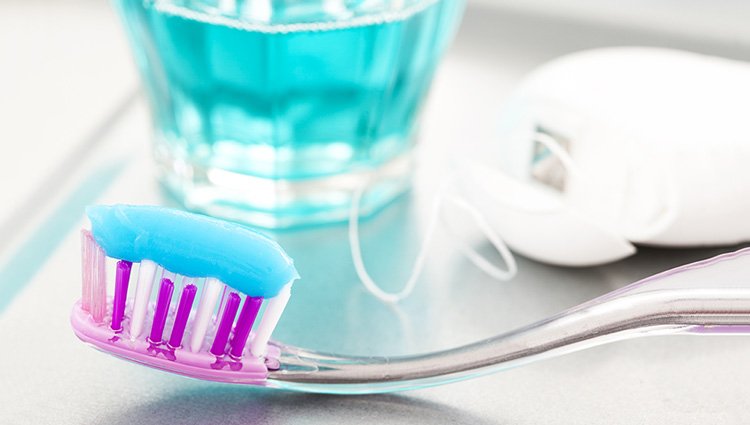
Our dental practice provides orthodontics for adults and children and dental hygiene services. Our team of dental hygienists cares for our patients through semi-annual or annual check-ups of the entire dental arch. Using specialized dental instruments, they meticulously remove plaque and tartar deposits that everyday oral hygiene often cannot eliminate.
Daily prevention, which each of us can practice to maintain dental hygiene, is undoubtedly the best way to keep a clean and aesthetically pleasing smile.
Our associated dental practice regularly provides advice to our patients on proper oral hygiene, helping to protect smiles and prevent dental problems of any type and severity.
We firmly believe that a professional and reliable dental practice’s commitment should not be limited to treating dental and periodontal issues but should also involve educating patients about prevention and dental hygiene.
We recommend brushing teeth thoroughly after every meal to remove bacterial plaque, which is directly responsible for cavity formation. In particular, the most crucial time for dental hygiene is in the evening, before going to bed, as during the night, reduced saliva secretion and diminished facial movements (cheeks, tongue, possible bruxism or teeth grinding) encourage bacterial growth and thus plaque accumulation.
The tools that our dental hygienists at the dental practice recommend for daily use are common oral hygiene products whose effectiveness always depends on regular use and proper technique.
Below is a list of the most common tools: toothbrush, toothpaste, dental floss, and mouthwash.
The toothbrush is the most widely used tool for preventing cavities due to its mechanical ability to remove food residues from the teeth, reducing plaque formation. Few people may know that, to be truly effective, a toothbrush should have certain functional features. Our dental hygienists recommend using toothbrushes with a straight handle, a small head that easily reaches every corner of the mouth and each tooth, and soft, artificial bristles that are straight and rounded at the tip. The toothbrush should be replaced when it loses these features due to prolonged and frequent use, typically every 2 or 3 months. The toothbrush is strictly personal and should always be stored in a dry, well-ventilated area (humidity promotes bacterial growth), ensuring the bristles are covered or at least not in close contact with other objects or surfaces. Proper brushing technique is also essential for good oral hygiene: the toothbrush movement on teeth should be vertical, gently brushing along the gumline to remove food residues effectively. There’s no need to brush too vigorously, as this can cause abrasion of the tooth surface near the gumline, damage to gums, or minor injuries to the mouth’s mucous membrane, possibly causing ulcers (small wounds inside the mouth).
Toothpaste complements the mechanical action performed by the toothbrush. Thanks to its cleansing properties, toothpaste is an excellent aid for plaque removal and deodorizing effects. There are countless types of toothpaste available on the market, and our patients frequently ask us for recommendations about specific brands. In such cases, we advise not a specific brand but instead emphasize the primary feature of truly effective toothpaste: it should be low-abrasive or non-abrasive, as constant use of abrasive substances on teeth may eventually cause erosion of the tooth enamel and dental cervical abrasion. Usually, whitening toothpaste is rather abrasive and doesn’t effectively whiten teeth. In most cases, there’s no need to resort to specialized toothpastes (anti-tartar or whitening); choosing a standard fluoride-containing toothpaste, combined with thorough mechanical brushing, is sufficient.
Dental floss, along with the toothbrush, is an essential oral hygiene tool, indispensable for effectively cleaning spaces between teeth, where the bristles of a regular toothbrush can’t reach. When used between the teeth, flossing should be gentle to avoid injuring the gums. The floss should be positioned in the gumline, forming a “C” shape that hugs the tooth, and moved vertically up and down. Afterward, move to another area of the gums using a clean section of floss.
Mouthwash does not remove plaque and thus shouldn’t replace brushing and flossing. Mouthwash should be considered an additional product that completes oral hygiene and should be used after carefully brushing the teeth with toothbrush, toothpaste, and floss. Being liquid, mouthwash is beneficial for reaching areas of the mouth that may not have been perfectly brushed.
When daily oral hygiene performed independently at home is insufficient, it becomes necessary to seek advice and treatment from a reliable dental practice capable of effectively addressing tartar removal.
At our dental practice, thanks to the valuable support of professional dental hygienists, we perform tartar removal procedures, always combined with patient education regarding the techniques and actions necessary for proper daily dental hygiene.
Regarding oral hygiene, medical prophylaxis provided by our dental practice includes several therapeutic procedures:
- The use of ultrasound for removing supragingival deposits;
- Scaling or root planing to smooth tooth roots;
- The use of laser technology for pocket decontamination and desensitization.
Dental floss is essential for thoroughly cleaning the spaces between the teeth where toothbrush bristles cannot reach. It should be gently inserted between each tooth to avoid damaging the gums. The floss must be placed along the gumline, forming a “C” shape around the tooth, and moved vertically from top to bottom.
Mouthwash is an auxiliary product that complements dental hygiene and should be used after carefully brushing the teeth with toothbrush, toothpaste, and dental floss. Being liquid, mouthwash is useful for reaching areas of the mouth that may not have been thoroughly brushed.
When daily oral hygiene performed at home is not sufficient, it becomes necessary to consult a dental practice for professional tartar removal. Many patients who require regular professional dental cleaning turn to the dental hygienists at our Dental Practice in Milan. During tartar removal procedures, we also remind patients of the proper techniques for daily dental hygiene.
The medical prophylaxis provided by our team includes:
- Ultrasound treatment for the removal of supragingival deposits;
- Scaling or root-planing to smooth tooth roots;
- Laser treatment for pocket decontamination and tooth desensitization.
About us
About Us
The Motta Jones Rossi & Associates Dental Clinic in Milan specializes in adult dentistry, pediatric dentistry, oral surgery, implantology, invisible orthodontics (e.g. Invisalign – invisible and transparent braces), treatment of periodontal diseases, wisdom teeth care, prevention and dental hygiene, 3D reconstructive surgery, and cosmetic dentistry. A dental center that supports the patient throughout their journey, providing therapeutic consultation, solutions for dental problems, and assistance.
Recent Posts
Severe gingival recession: causes, symptoms and treatment5 October 2026 - 15:49
Cosmetic Dentistry and the evolution of aesthetics in international dentistry30 September 2026 - 16:58
Gum infection: what should you do?11 September 2026 - 16:23
Dental sealants for adults: when to get them and how long they last12 August 2026 - 18:47

Come visit us
Medical Director
Dr. Enrico Riva
