
GNATHOLOGY EXAMS TO IDENTIFY
GNATHOLOGY: WHAT IS IT?
Visiting a medical clinic specializing in gnathology can be highly beneficial for individuals who:
- Experience facial muscle fatigue in the morning,
- Grind their teeth,
- Participate in competitive sports.
Gnathology is a branch of dentistry that studies the physiology, pathology, and functions of the temporomandibular joint (chewing, swallowing, speech, and posture). Consulting a gnathologist can help treat jaw pain and other discomforts that may affect overall body posture.
The position of the head, shoulders, pelvis, and feet is influenced by mandibular disorders through a descending mechanism. Conversely, there is also an ascending mechanism capable of affecting the muscular chain in the opposite direction.
A proper diagnosis of this phenomenon can be achieved through clinical tests and static and dynamic postural examinations, which can be repeated under different occlusal conditions.
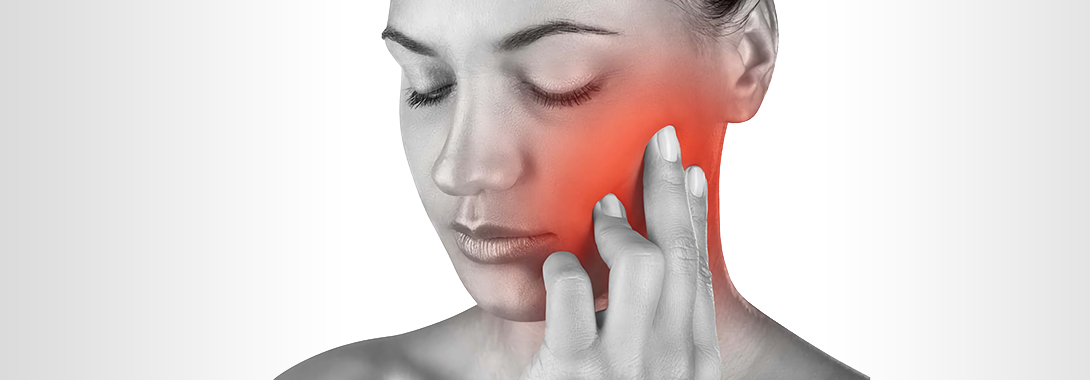
DIAGNOSIS OF GNATHOLOGICAL DISORDERS
The staff at our dental clinic in Milan conducts diagnosis and treatment of mandibular disorders by examining the proper cranio-mandibular relationship in patients. The anamnesis and diagnosis of gnathological disorders are carried out by assessing the presence of dental arch malocclusions, which cause the mandible to lose its isotonic function. This limitation in movement can lead to speech, hearing, and posture-related issues.
The gnathologists at our dental clinic perform various tests to identify mandibular disorders, including morphological analyses and mandibular kinesiography. The examinations include:
- An ultrasound of the masticatory muscles,
- An analysis of chewing efficiency,
- An MRI and/or CT scan of the temporomandibular joints.
THERAPY AND THERAPEUTIC TREATMENT OF THE MANDIBULAR SYSTEM
The therapy varies depending on the cause and may involve the use of a bite, physiotherapy for the temporomandibular joint, selective grinding, orthodontics, or myofunctional rehabilitation of the oral cavity.
The most commonly used and effective gnathological treatment is the application of a bite, a removable resin device designed based on a mold of the patient’s dentition. This device improves dental arch closure and restores the correct position of the mandible. The bite works by relaxing the mandibular muscles and promoting isotonic movement.
SYMPTOMS OF MANDIBULAR DISORDERS REQUIRING A GNATHOLOGICAL EXAMINATION
Some issues can be interpreted as possible symptoms of conditions related to the mandible and dental malocclusion. During a dental examination, the following problems reported by the patient will be carefully evaluated:
- Frequent headaches,
- Joint pain,
- Neck pain,
- Back pain,
- Leg pain,
- Tinnitus,
- Teeth grinding,
- Inflammation of the facial trigeminal nerve,
- Jaw clicking with the risk of locking.
TEETH GRINDING
Bruxism, or involuntary teeth grinding, is undoubtedly the most common and well-known symptom that leads many of our patients to undergo a gnathological examination. Teeth grinding usually occurs at night, during the early stages of sleep, but in some cases, it can also happen during the day, especially in conditions of psycho-physical stress.
In the field of clinical gnathology, bruxism is defined as a parafunction, meaning a movement of the temporomandibular joint that serves no functional purpose. The symptoms reported by patients upon waking and during their initial consultation include jaw fatigue, headaches, ear pain, and jaw clicking.
POSTURAL GNATHOLOGY
There is a close relationship between the stomatognathic system and the postural system, specifically between gnathology and posturology. Body posture is certainly one of the factors involved in mandibular disorders, as it can affect the health and proper functioning of the temporomandibular joint through two mechanisms:
- The descending mechanism, involving the position of the head and progressively the shoulders, pelvis, and feet;
- The ascending mechanism, which disrupts the muscular chain in the opposite direction, starting from the feet and moving up towards the head.
Our dental practice relies on the expertise of professional gnathologists—dentists specifically trained in the functioning of the oral apparatus. Through their collaboration, we can effectively address mandibular disorders and pain, conditions often overlooked or neglected. A thorough gnathological examination, complemented by static and dynamic postural assessments, allows us to accurately diagnose these issues and determine the most suitable therapeutic treatment.
PREVENTION OF GNATHOLOGICAL DISORDERS: INTERCEPTIVE THERAPY
Spesso i pazienti che si rivolgono al nostro studio medico dentistico di Milano ci chiedono se esiste la possibilità di prevenire i disturbi gnatologici. La terapia intercettiva consente di riconoscere la presenza del problema preventivamente, prima ancora della sua manifestazione dolorosa.
La terapia intercettiva per prevenire i problemi legati al malfunzionamento dell’articolazione temporo-mandibolare può essere praticata già in età infantile, ossia prima del termine della crescita delle ossa cranio-facciali. Si tratta di un’ortopedia dento-facciale in cui, mediante l’ausilio di appositi strumenti odontoiatrici, è possibile modificare la posizione delle ossa. In tal modo si condiziona la crescita della mandibola in modo simmetrico, evitando futuri disturbi gnatologici.
Recent Posts
 Severe gingival recession: causes, symptoms and treatment5 October 2026 - 15:49
 Cosmetic Dentistry and the evolution of aesthetics in international dentistry30 September 2026 - 16:58
 Gum infection: what should you do?11 September 2026 - 16:23
 Dental sealants for adults: when to get them and how long they last12 August 2026 - 18:47