
Professional teeth whitening: how it works and who Is eligible
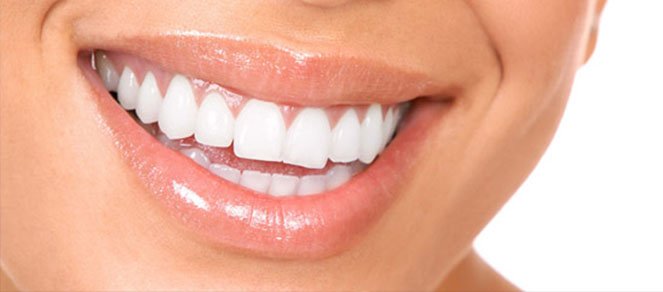
Teeth whitening is among the procedures performed by the dental hygienist. It is used to correct tooth discoloration, which may be caused by several factors. These include unfavorable genetic traits, systemic conditions, the use of antibiotics such as tetracyclines, smoking, and the consumption of foods and beverages such as coffee, tea, and liquorice. Below, we provide a detailed overview of this treatment, which is commonly requested by patients at our practice.
FAQ – Teeth Whitening
Q. How long do the effects of teeth whitening last?
A. The results typically last between 12 and 24 months, depending on the patient’s habits and the type of treatment performed. The longevity of the outcome improves with proper daily oral hygiene and regular check-ups. Patients who smoke or frequently consume coffee, tea, red wine, or highly pigmented foods may experience a faster recurrence of tooth discoloration.
Q. How long does tooth sensitivity last after whitening?
A. Post-treatment tooth sensitivity is a temporary effect and usually resolves within 24–48 hours. In some cases, it may last up to 3–4 days but tends to decrease spontaneously. The use of specific toothpastes and mouthwashes for sensitive teeth can help reduce discomfort.
Q. Does teeth whitening damage the teeth?
A. No, professional teeth whitening does not damage the enamel or harm the teeth when performed by a qualified dentist or dental hygienist. The products used are safe and strictly regulated.
INDEX
- How does teeth whitening work?
- Is teeth whitening painful?
- Who should not undergo professional teeth whitening?
- What should be done after a teeth whitening session?
- At-home whitening with custom trays
1. How does teeth whitening work? ↑
Professional teeth whitening is performed using hydrogen peroxide or carbamide peroxide. These active whitening agents penetrate the enamel and reach the molecules responsible for tooth pigmentation. The oxygen free radicals released by the agent break down these molecules, making them invisible. These substances may be self-activating or activated through halogen light, LED, or laser devices, thereby accelerating the whitening process. Non-vital teeth can also be whitened through internal treatment.
In patients with pigmentation caused by nicotine, coffee, tea, or liquorice, professional treatment may involve the use of bicarbonate or glycine powders, which help remove superficial stains. This procedure restores the tooth to its natural whiteness. Unlike peroxide-based whitening, however, the effect is significantly shorter-lasting.
Endodontic whitening for non-vital teeth
Endodontic whitening involves opening the tooth structure and placing the whitening gel directly inside the non-vital tooth. Whitening results become visible after approximately 3–5 days.
2. Is teeth whitening painful? ↑
Professional teeth whitening is not painful and does not damage the enamel; however, it may cause temporary tooth sensitivity that gradually subsides in the days following the treatment. For this reason, the dentists at our practice often recommend the use of specific toothpastes and mouthwashes suitable for sensitive teeth, both before and after the whitening procedure.
3. Who should not undergo professional teeth whitening? ↑
The treatment is not recommended for:
- patients with severe chronic diseases,
- pregnant or breastfeeding women,
- patients allergic to any of the substances contained in the whitening gel,
- individuals with damaged or decayed teeth.
It is important to note that teeth whitening cannot be performed in patients with dental prostheses, as the gel does not act on prosthetic crowns. Patients with fillings in the anterior teeth may undergo whitening; however, it will be necessary to replace the existing restorations afterward. This is done using a composite material that better matches the new tooth shade achieved through whitening.
4. What should be done after a teeth whitening session? ↑
After professional teeth whitening, patients should follow certain precautions in order to maintain the results over time. It is essential that during the 48 hours following treatment the patient avoids smoking and consuming foods and beverages that easily cause staining. This is because the tooth becomes highly permeable during and immediately after the procedure, and exposure to pigments or smoking may alter the achieved tooth color. The following is a list of foods to avoid:
- coffee;
- tea;
- liquorice;
- chocolate;
- red wine;
- highly pigmented vegetables such as tomatoes, spinach, beetroot, and artichokes;
colored fruits such as oranges, raspberries, blackberries, and strawberries.
5. At-home whitening with custom trays ↑
Patients may easily perform at-home whitening treatments using custom-made trays, which are prepared at our dental practice based on simple alginate impressions. The trays feature small reservoirs on the vestibular surface of each tooth, into which the patient places a small amount of 10% hydrogen peroxide gel. The trays should be worn for 4–6 hours during the day or overnight for a maximum period of 12–14 days.