
Prevention of Head and Neck Cancer
Cancer prevention is now an absolute priority in modern medicine. The definitions of neck cancer and head cancer include a heterogeneous group of malignancies that can affect the mouth, tongue, pharynx, larynx, nasal cavities, salivary glands and neck structures. According to the most recent scientific evidence, a significant proportion of these cancers is related to modifiable risk factors such as smoking, alcohol consumption, infections caused by the Human Papillomavirus (HPV), poor oral hygiene and inadequate preventive care.
Today we will discuss the main protective strategies against head and neck cancers involving oral health care.
INDEX
- Statistics on head and neck cancers
- What are the symptoms of neck cancer?
- What are the symptoms of head cancer?
- How can head and neck cancers be prevented?
- Prevention at the dental office
1. Statistics on head and neck cancers ⇧
Each year in our country, approximately 10,000 new diagnoses of cancers affecting the mouth, tongue, and throat are recorded. Unfortunately, many of these cases are detected when the disease is already at an advanced stage, with major consequences on a physical, aesthetic, psychological, and functional level. Clinical evidence shows that when diagnosis occurs at an early stage, the chances of recovery can exceed 80%. For this reason, oral cavity changes, tongue lesions, or swallowing difficulties should never be underestimated. Malignant neoplasms may develop in the upper aerodigestive tract, including the lips, mouth, tongue, throat, larynx, and vocal cords, but may also involve the salivary glands, nasal cavities, and paranasal sinuses. In some cases, tumors may affect the face and essential structures for vital functions such as breathing and nutrition, with a profound impact on quality of life.
2. What are the symptoms of neck cancer? ⇧
Neck cancer may develop silently for a long time, initially presenting with mild or underestimated symptoms. This makes early diagnosis crucial, as it significantly increases the likelihood of successful treatment. Disease progression generally originates from the cells lining the mucosa of the upper aerodigestive tract. In most cases, these are carcinomas, meaning tumors of epithelial origin. The cancer may manifest in the following ways:
- in the larynx and pharynx, with persistent sore throat, difficulty swallowing, and hoarseness lasting more than two weeks;
- in the anterior soft tissues of the neck, with the presence of a persistent lump;
- at the base of the tongue;
- in the salivary glands;
- in the laterocervical lymph nodes;
- with pain radiating to the ear;
- with unexplained bleeding.
Neck cancer may be primary, meaning it originates directly in these areas, or secondary, as in the case of lymph node metastases originating from a tumor of the oral cavity or head. The underlying cause is an alteration in the cellular DNA, promoted by prolonged exposure to carcinogenic substances and oncogenic viral infections. Head cancer, on the other hand, mainly affects the skull, nasal cavities, paranasal sinuses, and deep tissues.
3. What are the symptoms of head cancer? ⇧
Early symptoms are often nonspecific and may be confused with benign disorders, which is why they should never be underestimated. Symptoms may include:
- unilateral nasal obstruction,
- persistent headache,
- frequent nosebleeds,
- visual disturbances,
- tingling sensations,
- loss of sensation or difficulty chewing.
4. How can head and neck cancers be prevented? ⇧
The main preventive strategies include:
- eliminating cigarette smoking,
- limiting alcohol consumption,
- maintaining proper oral hygiene,
- undergoing regular dental check-ups,
- following a balanced diet,
- vaccination against HPV,
- protecting oneself from excessive sun exposure.
Maintaining a healthy lifestyle is essential in protecting against cancer development.
Which tests are recommended to prevent head and neck cancers?
An effective prevention strategy is based on regular clinical examinations and targeted diagnostic tests in the presence of risk factors or suspicious symptoms. In these cases, clinical evaluation remains the first assessment tool, often supported by advanced diagnostic imaging. An otolaryngological examination and a dental visit with inspection of the oral cavity are usually recommended. The most commonly used tests in prevention and early diagnosis include:
- neck ultrasound,
- CT scan and magnetic resonance imaging (MRI),
- biopsy of suspicious lesions,
- high-risk HPV testing.
5. Prevention at the dental office ⇧
In head and neck oncology, the correlation between oral health and cancer is now widely supported by scientific literature. Chronic infections, poor oral hygiene and persistent lesions of the oral cavity significantly increase oncological risk. For this reason, cancer prevention also involves constant care of teeth and gums.
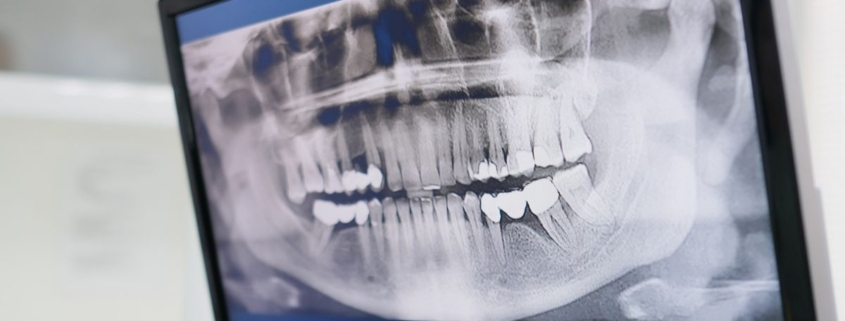
In the dental setting, advanced diagnostic technologies make it possible to detect early alterations of the mucosa and deeper structures. This allows patients to follow a precise surveillance pathway integrated with other medical specialties. In fact, neck cancer can often be detected during a simple dental check-up, thanks to careful observation of the oral mucosa and neck structures.
At our dental practice in Milan, prevention represents the core of our clinical activity. Through state-of-the-art technologies, dedicated specialists and a multidisciplinary approach, we guide our patients along a comprehensive pathway for the protection of both oral and general health.